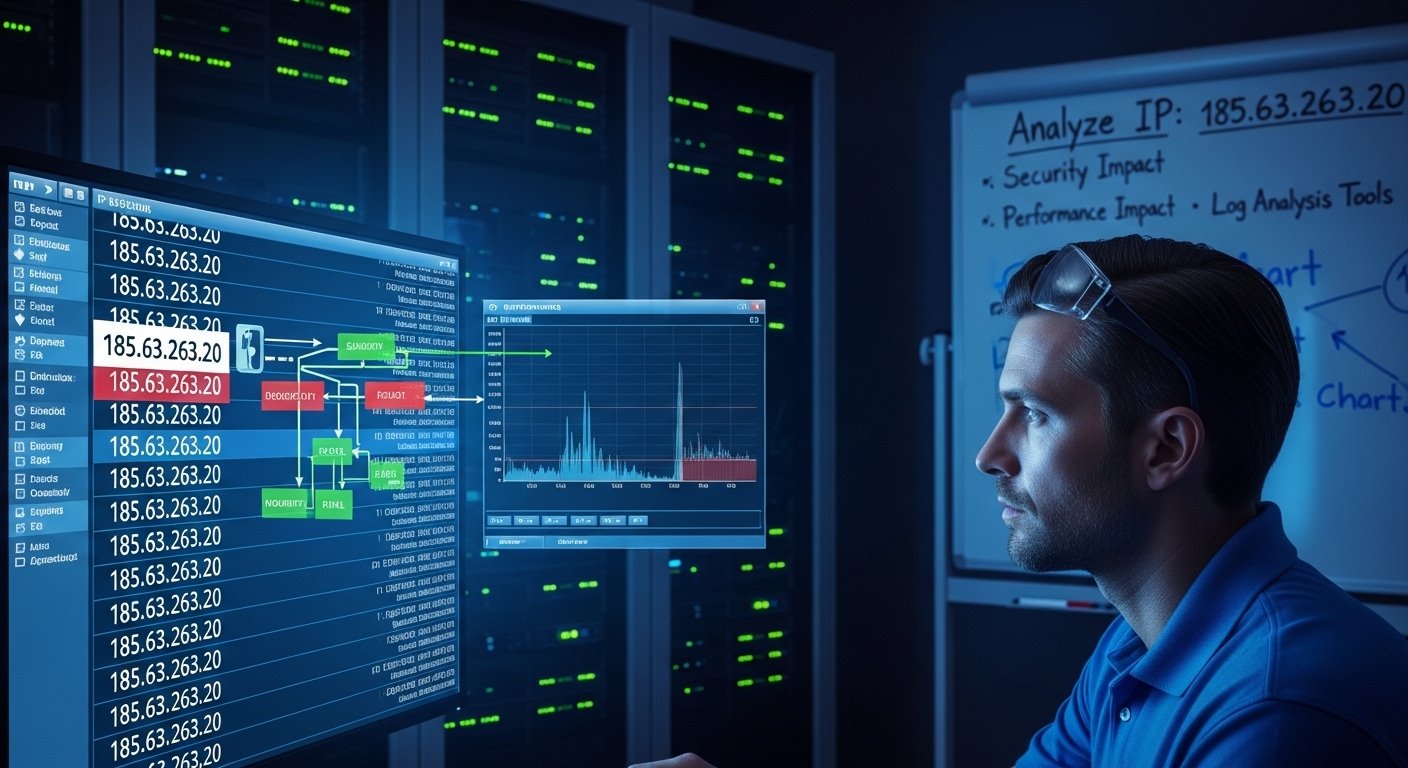
In the digital world, every device connected to the internet relies on an IP address for communication. One such example is 185.63.263.20, a numerical label that may look simple but carries significant technical meaning. Whether you encountered 185.63.263.20 in server logs, analytics reports, firewall alerts, or website traffic data, understanding its role can help you make smarter security and performance decisions.
What Is 185.63.263.20?
An IP address like 185.63.263.20 belongs to the IPv4 format, which consists of four numeric segments separated by dots. These numbers identify a specific device or server on a network. Whenever a user visits a website, sends an email, or interacts with an online platform, their request travels through IP addresses such as 185.63.263.20 to reach its destination.
IP addresses are assigned by regional internet registries and distributed to hosting companies, businesses, or service providers. The address 185.63.263.20 may be linked to a server hosting websites, applications, APIs, or cloud-based services. Its function depends entirely on how it is configured within its network environment.
How IP Addresses Like 185.63.263.20 Work
Every time data moves across the internet, it travels in packets. Each packet includes a source IP and a destination IP. If 185.63.263.20 appears in your logs, it may be acting as:
- A hosting server delivering website content
- A visitor accessing your website
- A bot or crawler scanning pages
- An automated service connecting to your application
Because IP addresses are essential routing identifiers, 185.63.263.20 enables proper communication between systems. Without IP addressing, the internet would not function as an organized global network.
Why You Might See 185.63.263.20 in Your Logs
There are several practical reasons this IP address may appear in server or security logs:
1. Website Traffic Activity
If 185.63.263.20 accessed your website, it could represent a genuine visitor or automated traffic. Analyzing behavior such as session duration, request frequency, and accessed pages can help determine intent.
2. Server-to-Server Communication
Modern web applications rely on APIs and background services. If your system integrates third-party tools, 185.63.263.20 may be part of backend communication.
3. Security Monitoring
Repeated requests from 185.63.263.20 could indicate scanning attempts. Monitoring unusual patterns, such as high request rates or login attempts, helps maintain security.
4. Hosting Infrastructure
In some cases, 185.63.263.20 may be part of a hosting provider’s infrastructure. Shared hosting environments often route traffic through common IP addresses.
Understanding the context is crucial before labeling any IP as safe or suspicious.
Is 185.63.263.20 Safe or Malicious?
Determining whether 185.63.263.20 is safe depends on behavioral analysis rather than assumptions. An IP address alone does not indicate malicious intent. Instead, consider:
- Frequency of access
- Type of requests made
- Targeted URLs
- Response status codes
- Geographic origin
For example, if 185.63.263.20 attempts multiple failed logins within minutes, that may signal brute-force activity. However, a few page views spread throughout the day likely represent normal traffic.
Blocking an IP prematurely can disrupt legitimate users or services. Careful evaluation ensures balanced decision-making.
How to Investigate 185.63.263.20 Properly
When investigating 185.63.263.20, take a systematic approach:
Review Server Logs
Check timestamps, request types, and user agents associated with 185.63.263.20. Patterns reveal intent.
Monitor Traffic Behavior
Is the activity repetitive or random? Consistent scraping patterns differ from human browsing behavior.
Use Firewall Rules Wisely
If 185.63.263.20 generates suspicious activity, rate limiting or temporary blocking can reduce risk without causing unnecessary disruption.
Check Reverse DNS
Reverse lookup sometimes reveals hosting providers or related services connected to 185.63.263.20.
A structured analysis avoids guesswork and ensures accurate conclusions.
The Role of 185.63.263.20 in Website Performance
IP addresses also affect performance and uptime. If 185.63.263.20 is linked to your server infrastructure, downtime or misconfiguration can impact website availability.
Proper DNS configuration, SSL setup, and server optimization all rely on correctly assigned IP addresses. If 185.63.263.20 hosts multiple websites, server load may influence speed and responsiveness.
Monitoring server health helps maintain consistent performance for users worldwide.
Cybersecurity Considerations
Cybersecurity teams often track IP addresses like 185.63.263.20 to detect threats. Common concerns include:
- Port scanning
- DDoS attempts
- Credential stuffing
- Automated scraping
However, context remains critical. Not all unfamiliar IP addresses pose risks. The internet constantly exchanges data between thousands of servers. Blocking every unknown IP would disrupt global connectivity.
Instead, combine IP monitoring with behavioral analytics, intrusion detection systems, and firewall management to maintain protection without restricting legitimate access.
Why Understanding 185.63.263.20 Matters
Whether you manage a website, operate a server, or analyze traffic data, knowing how to interpret IP addresses gives you a technical advantage. The address 185.63.263.20 is more than a random string of numbers; it represents a specific node within the global network.
Understanding how 185.63.263.20 interacts with your systems helps you:
- Improve website security
- Optimize server performance
- Detect suspicious behavior
- Maintain reliable network operations
The key is not just identifying the IP but interpreting its behavior in context.
Conclusion
The IP address 185.63.263.20 may appear ordinary at first glance, yet it plays a vital role in digital communication. Whether it represents a hosting server, a visitor, or an automated process, analyzing its activity provides valuable insights. Instead of reacting quickly or making assumptions, evaluate traffic patterns, server logs, and behavior carefully. By understanding how 185.63.263.20 functions within your network environment, you strengthen both security and performance while maintaining smooth online operations.